Fierce controversies about the non-Albanian Archbishop
Excerpt from the monograph
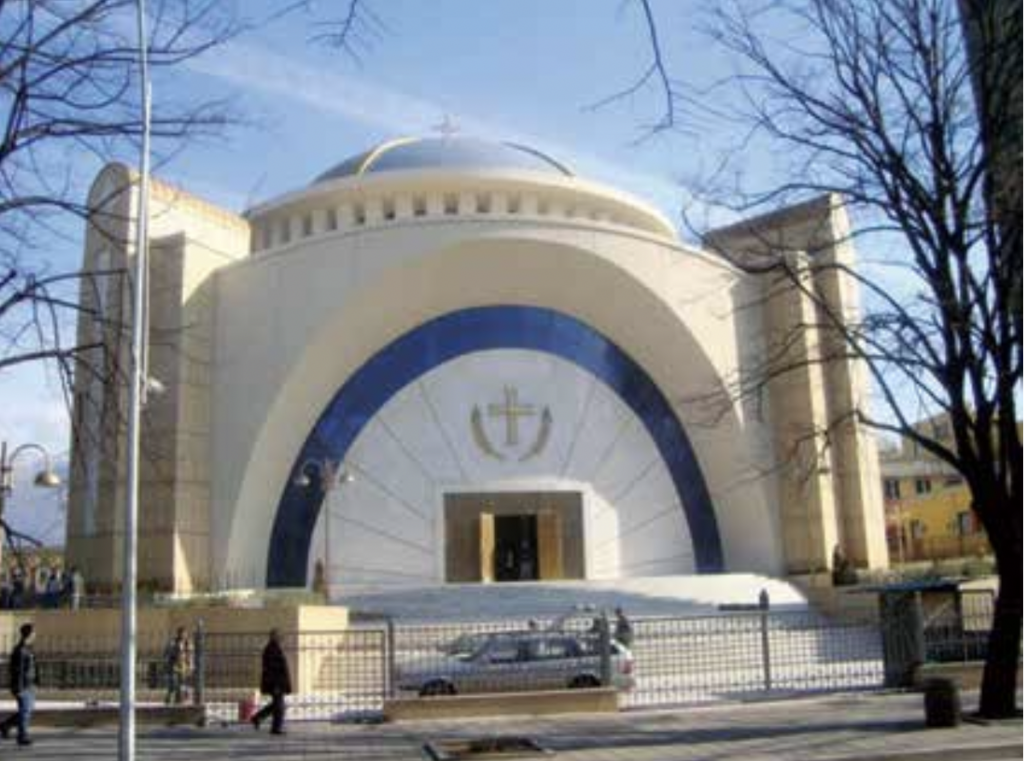
On June 1, 2014, the new Orthodox ‘Resurrection of Christ’ Cathedral was inaugurated in the center of Tirana on the 20th anniversary of the election of His Beatitude Anastas as Archbishop of Tirana and all of Albania. The special Mass in the new Cathedral was led by Archbishop Anastas. The patriarchs were from Jerusalem, Serbia and Romania, and the archbishops were from Cyprus, Athens, Warsaw, and Tirana. Representatives of the patriarchs of Russia, Bulgaria, Georgia, and Antioch also co-served. According to the Orthodox Church of Albania, the ordination of the Orthodox Church is a special blessing not only for the Albanian Orthodox Christians, but also for the whole country and Orthodoxy in the world.
The winner of the international architectural competition (2002) for the design of the new Albanian Orthodox Cathedral ‘Resurrection of Christ’ in Tirana was announced the Greek American studio ‘Papadatos Partnership LLP Architects’ from New York. It consists
of the following buildings: Cathedral Church, Chapel, Bell Tower, Seat of the Holy Synod and Cultural Center. The church is covered with a dome, with an internal diameter of 26 m and a height of 23 m, while the four supporting masses end with semi-cylindrical covers. The wall paintings (frescoes) of this Cathedral are works in the mosaic technique of the ‘Arbërart’ atelier by Albanian artists, the Drobonik couple, Josif and Liljana, with the assistance of their daughters, Mirlinda and Alba. The dome of the new cathedral of Tirana holds inside, as it is claimed, the largest mosaic in the Balkans, Christ the Pantocrator which covers 600m2. Josif Drobonik was born in Fier in 1952. He attended the art lyceum and the High Institute of Arts in Tirana, majoring in Monumental Painting. His mosaics and frescoes are also found in the National Historical Museum and the Palaces of Culture in Tirana, Lushnje and Peshkopi. He immigrated to Italy in November 1990 and settled in Lungro, Calabria, where he dealt with the creation of mural painting and iconography techniques from Rome to Sicily, in Arberian (Albanian) churches for twenty years. Meanwhile, according to the proposal of Archbishop Anastas, the sculptor Janis Kirarinis, who came from Dino of Greece, created the iconostasis carved in white marble. A general opinion is being crystallized that the dome of the New Cathedral of Tirana awakens the feeling of comparison with St. Sophia of Constantinople (Istanbul), which was buit in the 6th century by the Roman Emperor, Justinian (527-565) – of Illyrian blood from Dardania (today’s Kosovo). Now the Albanian capital hosts the second religious temple to be compared to the Church of Istanbul, after that of the Et’hem Bey Mosque in the heart of Tirana, in the inscription of which it is written: ‘Making it like another Aya Sofia, I beautified this city’.
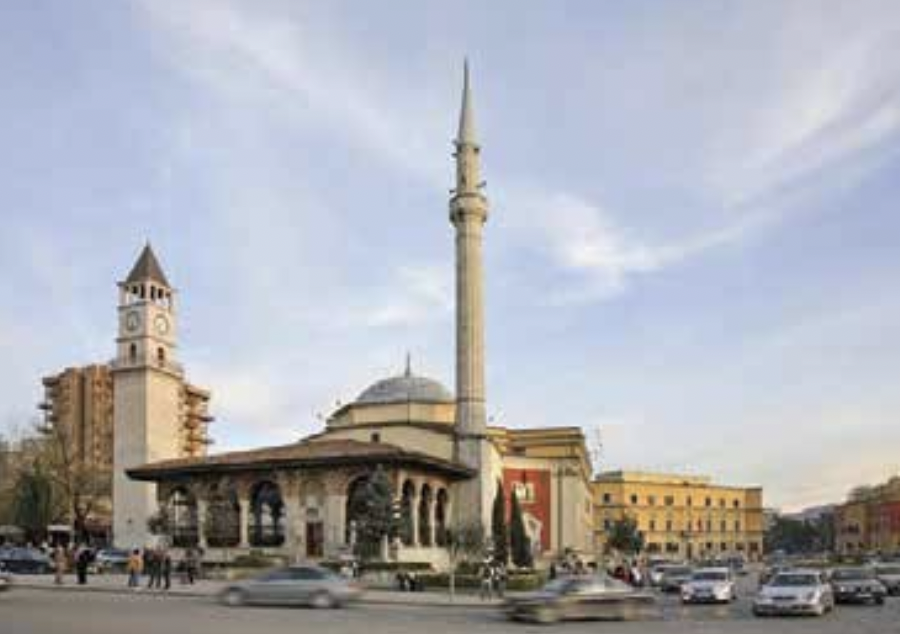
‘Making it like another Aya Sofia, I beautified this city’
But the appointment of a foreign cleric to lead the Albanian Autocephalous Orthodox Church caused twists, frustrations, and extreme controversies among all Albanians. It is claimed that the Greeks and Serbs are de-churching the Albanian Church. Meanwhile, near the cathedral, an elderly woman holding a photo of the founder of the Albanian Autocephalous Orthodox Church, His Grace Fan Noli, was removed by the police. But some young people who raised the Serbian flag in front of the church as a form of humiliation were not harassed at all. The Orthodox Church from its beginnings was based on the principle that Christianity belongs to the nations and not to a single nation, as the Greek priests still manipulate today. Based on this universal principle, national churches were born in every nation-state. Thus, over the centuries, the Bulgarian, Russian, Serbian, and Romanian Autocephalous Orthodox Churches were born.
In the blessed year 1922, the Albanian nation also declared its own independent (autocephalous) Church, and according to its Statute, the Archbishop must be Albanian and that the liturgy must be held in the Albanian language; despite the fact that on March 22, 1908, Theofan Stilian Noli celebrated the first Divine Liturgy in the Albanian language in the history of the Orthodox Church; despite the fact that the very beautiful Albanian Orthodox Church of St. George has been operating in Boston (USA) for over 100 years; despite the fact that one cannot forget the so-called ‘Hudson Incident’, which happened in 1907, when a young Albanian, Kristaq Dishnica, died in Hudson. The Orthodox Church did not want to perform the burial rites, because he was Albanian patriot and was considered an excommunicator of the faith. And so, he was buried in a Worcester cemetery without any religious service. The incident aroused anger among the Albanians in Massachusetts, and Fan Noli clarified his call as an opportunity to serve the spiritual needs of his community and to lead the cause for religious and political freedom in Albania. Father Noli was able to earn the support of Archbishop Platon, head of the Russian Orthodox Church in the United States, who ordained him on 18 March 1908 at St. Nicholas Cathedral in New York.
Although Pjetër Arbnori (1935-2006), so-called the Mandela of the Balkans, had sent Ramiz Ali (1925-2011) an official letter asking him to extradite Janullatos from Albania, but he had not listened. Among many others who reacted against the flagrant and very serious abuse of the Statute of the Albanian Orthodox Autocephalous Church was the Academician, Prof. Dr. Kristo Frashëri (1920-2016), who wrote: ‘Since the Albanian Church was organizationally depraved by the communist regime, it needed to recover with institutions, cadres, and shrines. AOAC did not have bishops to create a Synod. He turned to the Patriarchate of Constantinople for help. Athens took advantage of this imperative need. As per the order of the Patriarchate of Constantinople, Athens sent a missionary to Albania to help the Albanian Church recover as exarch. This missionary named Anastas Janullatos would exercise his mission as an exarch and not as an archbishp, that is, as a temporary missionary. As an exarch, as soon as fulfilled his assigned task, i.e., as soon as the Holy Synod was formed, he had to leave Albania. With his departure, the Holy Synod had to elect the Archbishop of Albania. His arrival as exarch in Albania was approved by the President of the Republic, Ramiz Alia, the Prime Minister, Fatos Nano, and the leader of the opposition, Sali Berisha. But what happened? His Grace broke his word. With the various combinations he concocted behind the scenes and with a theatrical scene he organized at the Tirana International Hotel, he declared himself Archbishop of all Albania. He acted like an impostor. His Grace Janullatos is not Albanian, as required by the AOAC Statute. He is Greek not only by nationality, but also by Greek nationalist ideology. He is not an orthodox missionary but an agitator
of Greek nationalism, whose task is to prepare the circumstances for the annexation of southern Albania by Greece. This is the reason why he is not worried about the Cathedral of the Virgin of Tirana, while he is doing his best so that the House of Culture in Përmet remains as the church of Saint Mary.
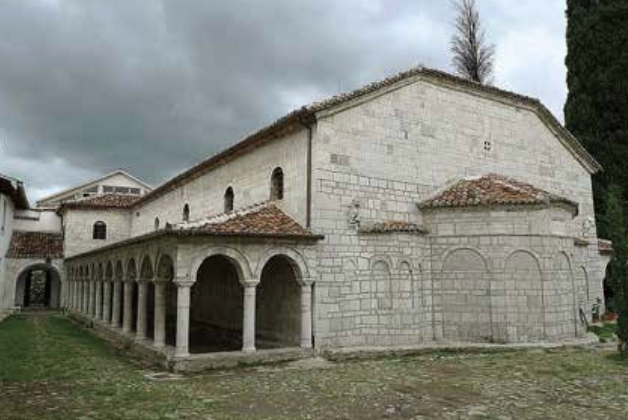
He is enraged by the name of Naim Frashëri’. Father Nikollë Marku, is the head of the Albanian Autocephalous Orthodox Church based in the beautiful church of ‘Saint Mary’ in Elbasan. He says that he does not know Archbishop Anastas Janullatos, because he is not Albanian.
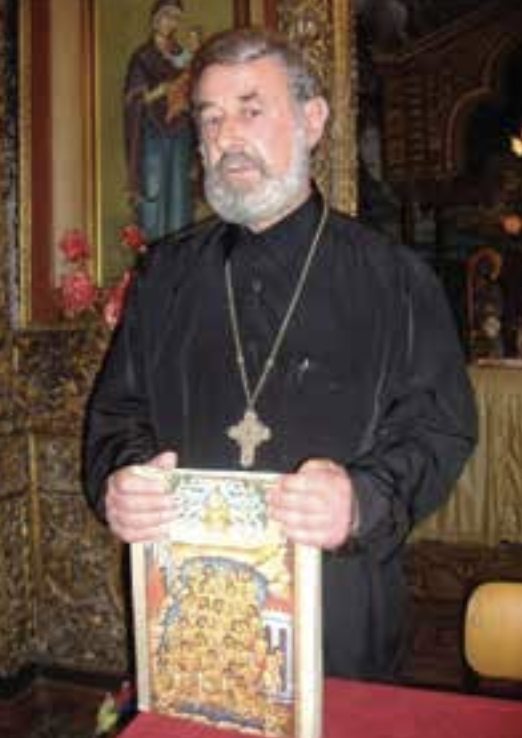
Father Nikollë Marku’s attitude towards the nation and religion is: ‘the religion of the Albanian is Albanianism and then love of God’. However, the Greek cleric Anastas Janullatos, with his fabulous perseverance, managed to enjoy his prosperous yield with the crowning of his major work of postmodern style of Le Corbusier, of the Albanian Orthodox Church ‘Resurrection of Christ’ right in the heart of Tirana. For this dizzying performance, he may have shouted to himself: ‘Legitimate Archbishop of the Albanian Orthodox Church, Monsignor Fan Noli, I surpassed you’ – exactly as Emperor Justinian had shouted after the construction of Saint Sophia (Hagias Sophia) in Constantinople in the distant year 537: ‘Solomon, I surpassed you!’ But this dizzying performance of the cleric Janullatos could never happen if the contemporary irresponsible Albanian leaders did not give their blessing.
An Albanian Athenagora
for a Greek Anastas
There are also other opinions among Albanians who, with a dose of humor, compare the activity of the Albanian Atenagora with that of the Greek Anastas. But with two conditions: if the pious activity of Archbishop Anastas Janullatos of the Albanian Autocephalous Orthodox Church had honest goals – as befits a man of God – then the comparison between them would be made with the positive Latin phrase quid pro quo, that the activity of his was ‘a good for a good’. But, if his activity was for the purposes of the Trojan Horse, then the English phrase with the connotation of revanchism A Roland for An Oliver would be used as his activity would be ‘an adequate response’.
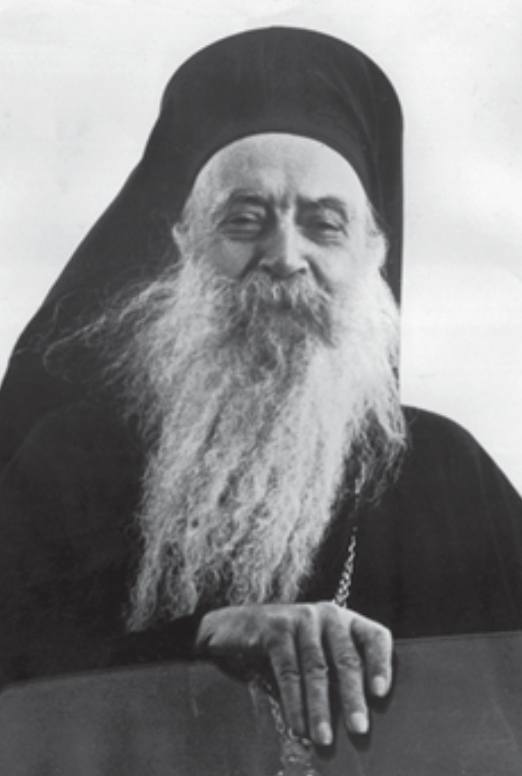
In March of 1910, he was ordained a deacon. His first task was to oversee schools in the city of Manastir/Bitola (Macedonia), where he was later appointed Chancellor of the diocese. In 1922, he was elected Metropolitan of Corfu. In 1938, Athenagoras was naturalized as a citizen of the United States of America. As patriarch, he was actively involved in the World Council of Churches and in improving relations with the Roman Catholic Pontiff, the Pope of Rome. The Italian-Albanian, Giuseppe Ferrari, testified to the Albanian origin, language, culture, and education of Patriarch Athenagoras and wrote from that he said: ‘I come from a small country in the north of Epirus, near the Albanian border…’, then opened his hands to me, with a long smile, he shouted in the Albanian language: ‘Mirë se erdhe!’ (Welcome!) I am also Albanian like you. Albania has always been between the East and the West. In other countries they fought among themselves, but in Albania the Orthodox and Catholics cooperated well. You, therefore, can better understand ecumenical problems. Perhaps divine Providence has been transferred to Italy for some useful role in his plans’.
Meanwhile, on one occasion, Patriarch Athenagoras had said: ‘The Albanian people are among the peoples that had suffered the most in Europe, they had suffered for many centuries, as they protected Christianity in a wonderful way… I am Albanian… I am at the service of the Church orthodox, even more so, of Jesus Christ… Be convinced that the atheistic-communist system of Albania will pass, but Christianity will remain forever’.
Meanwhile, J. A. Broun, wrote an article entitled The Status of Christianity in Albania in the Journal of Church & State (1986) saying: ‘Among the famous Albanians of the diaspora are Johan Francis Albani, Pope Clement XI (1649-1720), the Ecumenical Patriarch of Constantinople, Athenagoras and Agnes Gonzhe Bojaxhiu, better known as Mother Teresa’.
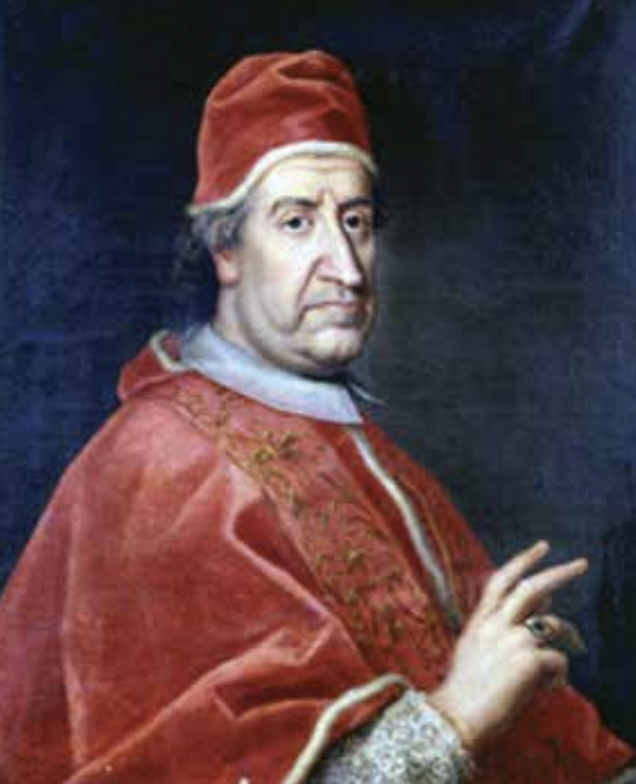
Francis Alban (1649-1721) – who had supported his people, organizing the “Church Assembly of Arbër”, held in 1703 in Lezha.
Patriarch Athenagoras (Aristoklis Spirou) was born on March 25, 1886, in the village of Vasilikon, the province of Ioannina, in Epirus (during the Ottoman Empire). Athenagoras was the 268th Ecumenical Patriarch of Constantinople who served from 1948 to 1972. His father, Matthew, was the village doctor. He was thirteen years old when his mother died. Aristocles took the name Athenagoras at the age of 16, when he entered the Patriarchal Theological School in Halki.
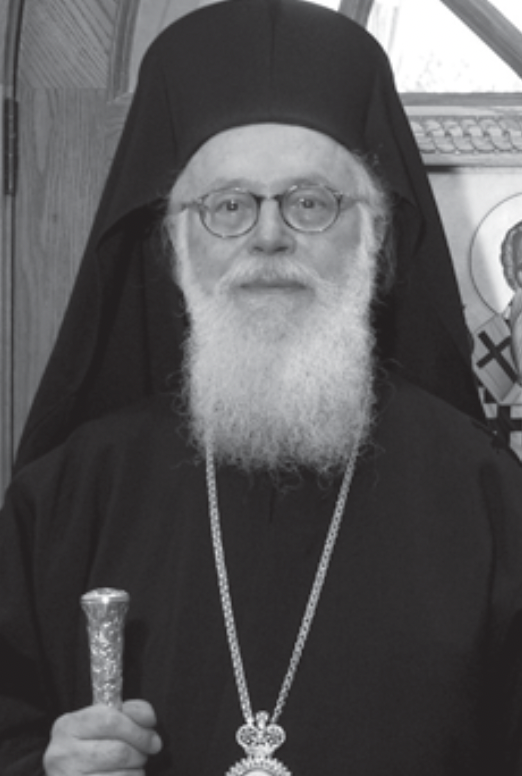
Archbishop Anastas Janullatos was born on November 4, 1929. He holds the post of Archbishop of Tirana, Durrës and all of Albania. At the same time, he is the head of the Holy Synod of the Autocephalous Orthodox Church of Albania. He was elected in June 1992. He holds the titles Professor Emeritus of the National University of Athens and Honorary Member of the Academy of Athens. Archbishop Anastas is also elected to other prestigious international institutions: he is one of the presidents of the Central Committee of the World Council of Churches, Honorary President of the World Conference of Religions for Peace, etc. Arben Llalla, the specialist scholar of Albanians in Greece who has collaborated closely with the well-known Arvanitas historian, Aristidh Kola (1944-2000), gave these notes, among others, on the Albanian background of Archbishop Anastas: ‘Anastas Janullatos was born on November 4, 1929, in Piraeus, Athens, and his baptismal name was Tasos Gjerasimos Janullatos. For many years his father, Gerasimos, lived and worked with the family in Preveza in Çamëria, but after the political and economic crises he came to Piraeus in the late 1920s. The Second World War completely destroyed the successful business of the Janullatos family where Gerasimos was employed, and so they moved to Athens to make a living. The family of Anastas Janullatosi’s father, Gerasimos, settled at first in Lefkada, a place inhabited by Albanians since 1470, according to Ulliams Miller, at that time there were about 15,000 Albanians. Lefkada is located near the city of Preveza.
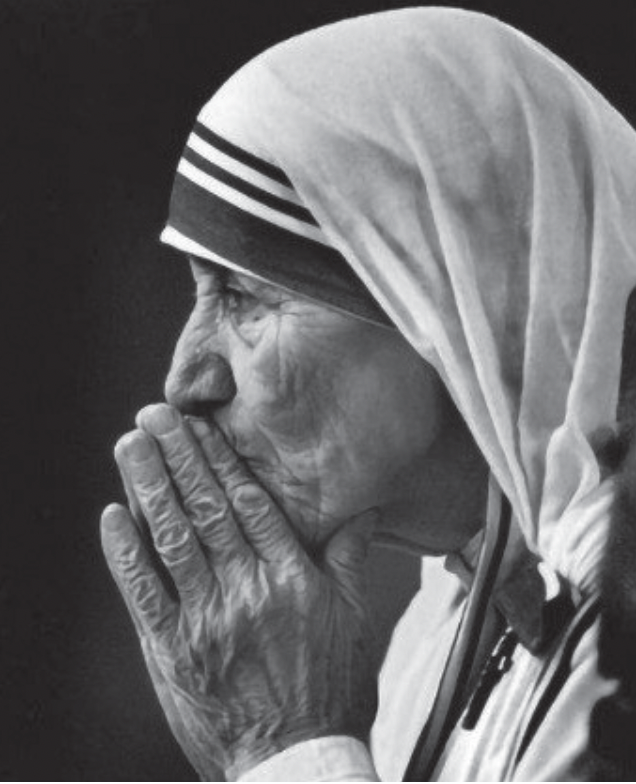
better known as Mother Teresa.
But in fact, the roots of the Janullatos family are from the island of Kefalonia in the Ionian Sea. In 1502, the Senate of Venice sent away thousands of Albanians led by Jani Shpata, Zguro Kagadh Bua, Teodor Markezini, Nikola Menajen, etc. Today in Kefalonia there are still villages inhabited completely by Greeks of Albanian origin known as Arvanitas, such as Muzakati, Kombothekrata, etc.
From Roksani Malltezi’s mother’s side of the family, there is a lot of evidence that they were from Çamëria, from the surroundings of the city of Preveza, who were a rich family during the Ottoman rule. Not to dwell too much on the painful history of the Albanians in Greece, it would be in honor of his grace Mr. Anastas, the son of Gjerasim Janullatos and Roksani Malltez, to declare his Albanian origin in front of God and the world. This true statement would somehow calm his soul on the way to the afterlife and soften the hearts of the Orthodox believers who did not want him to be at the head of the Autocephalous Albanian Orthodox Church.